Key takeaways
- Firmness: Pediatric sleep guidelines call for a firm, flat surface for infants under 12 months, so avoid anything that dips or cradles the body — a mattress should barely compress when you press down with your palm.
- Certifications: Look for GREENGUARD Gold or CertiPUR-US labels, which confirm low chemical emissions and screened foam materials, giving you real assurance beyond vague “non-toxic” marketing claims.
- Waterproofing and washability: Blowouts and midnight bottle spills are inevitable, so a fully waterproof, machine-washable cover saves you from replacing the mattress core every few months.
- Dual-stage design: Mattresses with a firmer infant side and a softer, more cushioned toddler side stretch your investment across several years instead of forcing an upgrade purchase.
- Breathability: Airflow-focused cores or knitted covers help regulate temperature and are increasingly marketed around reducing suffocation risk, which matters most in the earliest sleep months.
What's inside
Choosing a crib mattress feels like it should be simple, until you’re standing in the nursery aisle comparing foam densities, GREENGUARD certifications, and cover fabrics at 11pm while your registry deadline looms. The mattress your baby sleeps on for the next two to three years affects everything from sleep safety to how many nights you’ll spend scrubbing spit-up out of a cover, so it’s worth getting right the first time rather than swapping mattresses mid-toddlerhood.
This guide breaks down six well-reviewed nursery mattresses for 2026, from budget-friendly foam options to organic-cotton and dual-sided picks designed to grow with your child from infant to toddler bed. We’ll cover what actually matters when comparing firmness, breathability, and certifications, then walk through our top picks so you can shop with confidence instead of second-guessing every spec sheet.
As an Amazon Associate we earn from qualifying purchases.



How to Choose a Nursery Mattress (2026)
- Firmness: Pediatric sleep guidelines call for a firm, flat surface for infants under 12 months, so avoid anything that dips or cradles the body — a mattress should barely compress when you press down with your palm.
- Certifications: Look for GREENGUARD Gold or CertiPUR-US labels, which confirm low chemical emissions and screened foam materials, giving you real assurance beyond vague “non-toxic” marketing claims.
- Waterproofing and washability: Blowouts and midnight bottle spills are inevitable, so a fully waterproof, machine-washable cover saves you from replacing the mattress core every few months.
- Dual-stage design: Mattresses with a firmer infant side and a softer, more cushioned toddler side stretch your investment across several years instead of forcing an upgrade purchase.
- Breathability: Airflow-focused cores or knitted covers help regulate temperature and are increasingly marketed around reducing suffocation risk, which matters most in the earliest sleep months.
The Best Nursery Mattress (2026)s Reviewed
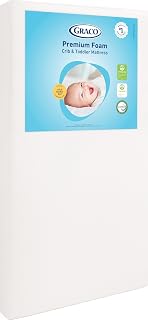
Graco Premium Foam Mattress
A dependable, no-frills workhorse with GREENGUARD Gold certification and a genuinely firm foam core that holds its shape night after night; the OEKO-TEX cover wipes clean easily and survives repeated machine washes without pilling.
Letmxiu Premium Crib & Toddler Mattress
The knitted fleece surface feels noticeably softer against skin than typical vinyl covers, and at five inches thick it strikes a comfortable middle ground between plush and supportive for babies transitioning into toddlerhood.
Organic Cotton Dual-Sided Mattress
This two-stage design earns its premium price with genuine differentiation between sides — a dense, firm infant face and a cooling gel-infused toddler face — plus an organic cotton cover that feels a cut above standard synthetic options.
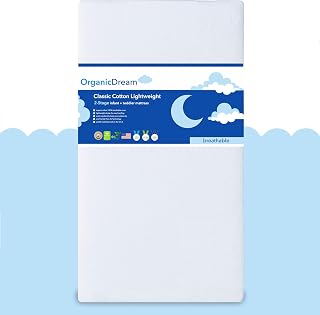
ORGANICDREAM Deluxe Crib Mattress
At six inches thick with a breathable, airflow-engineered core, this GREENGUARD-certified mattress is built specifically around reducing suffocation risk while still delivering a lightweight, easy-to-lift removable cover for laundry day.
Premium Hypoallergenic Baby Mattress
A solid budget-friendly standard-size option that balances firm support with a softer top layer, making it a practical pick for parents who want hypoallergenic materials without paying for organic-tier certifications.
Frequently Asked Questions
How firm should a crib mattress be?
It should feel noticeably firmer than an adult mattress, with minimal give when pressed — this firmness reduces suffocation risk and supports a growing infant’s developing spine.
Do I need an organic or GREENGUARD-certified mattress?
Certification isn’t mandatory, but it does verify low chemical off-gassing and safer material sourcing, which many parents find worth the added cost for something a baby sleeps on nightly.
Can I use the same mattress for a toddler bed?
Yes, most crib mattresses are designed to fit standard toddler bed frames too, and dual-sided models are specifically built to transition with your child rather than requiring a replacement.
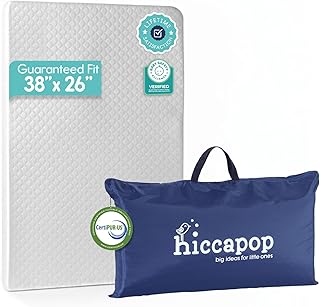
What’s the difference between a crib mattress and a playard mattress like the Hiccapop?
Playard mattresses are thinner and designed specifically for travel cribs or Pack N Plays, offering portability rather than the thicker support intended for daily nighttime sleep.
Final Thoughts
For most families, the Graco Premium Foam Mattress offers the best balance of certification, firmness, and value, while the Organic Cotton Dual-Sided Mattress is worth the upgrade if you want a mattress that genuinely evolves from infancy through toddlerhood, and the ORGANICDREAM Deluxe stands out for parents prioritizing breathability above all else.