Key takeaways
- Best Overall: Filtrete 20x25x1 MERV 13 (MPR 1900), widely stocked, sold in 2-, 4- and 6-packs.
- Best Multi-Pack Value: Aerostar 20x25x1 MERV 13 (MPR 1500), 6-pack, made for AC and furnace housings.
- Best Made-in-USA Option: BNX TruFilter 20x25x1 MERV 13 (MPR 1900, FPR 12), 6-pack with a smoke and pet focus.
- Best for Older or Weaker Systems: Filtrete 20x25x1 MERV 11 (MPR 1000), a gentler step on airflow.
- Best Budget: Simply 20x20x1 MERV 8 (MPR 600), 6-pack for basic dust and lint.
- Best for Window AC Units: Wintcomfort 24 x 15 inch cut-to-fit window AC filter.
- Best for Deep-Media Cabinets: AprilAire 213 (20x25x4, MERV 13) for AprilAire whole-house housings only.
The right air filter for an AC unit is a pleated 1-inch filter in the exact size printed on your old one, rated MERV 8 for most systems or MERV 11 to MERV 13 if the unit moves air easily and you want finer particles caught. Our top pick for a typical home is the Filtrete 20x25x1 MERV 13 (MPR 1900), with the Aerostar 20x25x1 MERV 13 multi-pack as the runner-up for people who want to buy once and stock the closet. If you run a window or wall unit instead of central air, the answer changes completely: you need a washable foam or cut-to-fit mesh pad sized to your unit, not a pleated furnace filter.
This guide is research-based. We compared manufacturer listings, published MERV and MPR ratings, and independent explainers from ASHRAE, the U.S. EPA and filter makers. We did not personally use these products. Sizes shown are common examples (20x25x1 and 20x20x1); the same brands sell dozens of other sizes, so measure or read the edge of your current filter before you order. Anything a maker does not state is marked “not listed”.
Top Picks at a Glance
- Best Overall: Filtrete 20x25x1 MERV 13 (MPR 1900), widely stocked, sold in 2-, 4- and 6-packs.
- Best Multi-Pack Value: Aerostar 20x25x1 MERV 13 (MPR 1500), 6-pack, made for AC and furnace housings.
- Best Made-in-USA Option: BNX TruFilter 20x25x1 MERV 13 (MPR 1900, FPR 12), 6-pack with a smoke and pet focus.
- Best for Older or Weaker Systems: Filtrete 20x25x1 MERV 11 (MPR 1000), a gentler step on airflow.
- Best Budget: Simply 20x20x1 MERV 8 (MPR 600), 6-pack for basic dust and lint.
- Best for Window AC Units: Wintcomfort 24 x 15 inch cut-to-fit window AC filter.
- Best for Deep-Media Cabinets: AprilAire 213 (20x25x4, MERV 13) for AprilAire whole-house housings only.
Comparison Table
| Product | Best for | Key specs | Watch for | Price tier |
|---|---|---|---|---|
| Filtrete 20x25x1 MERV 13 | Allergy-minded households with healthy airflow | MERV 13, MPR 1900, actual size 19.62 x 24.62 x 0.78 in | Can restrict airflow in weak systems | Mid-range |
| Aerostar 20x25x1 MERV 13 | Stocking up | MERV 13, MPR 1500, actual 19.75 x 24.75 x 0.75 in, 6 pack | Lower MPR number than Filtrete | Mid-range |
| BNX TruFilter 20x25x1 MERV 13 | Smoke and pet households | MERV 13, MPR 1900, FPR 12, electrostatic pleats, made in USA | Same airflow caution as any MERV 13 | Mid-range |
| Filtrete 20x25x1 MERV 11 | Older blowers, pets | MERV 11, MPR 1000, 3-month design | Catches less fine smoke than MERV 13 | Budget |
| Simply 20x20x1 MERV 8 | Low cost, basic dust | MERV 8, MPR 600, actual 19.75 x 19.75 x 0.75 in | Only basic filtration | Budget |
| Wintcomfort window AC filter | Window and wall units | 24 x 15 x 1/4 in, cut-to-fit | Mesh and foam catch coarse dust only | Budget |
| AprilAire 213 (20x25x4) | Whole-house AprilAire cabinets | MERV 13, 4-inch media, single pack | Fits only compatible cabinets | Premium |
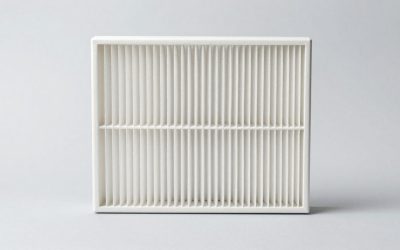
1. Filtrete 20x25x1 MERV 13: Best Overall
- MERV 13 with a 3M MPR 1900 rating
- Listing describes it as targeting allergens, bacteria, viruses and air pollutants
- Actual size listed as 19.62 x 24.62 x 0.78 in (nominal 20x25x1)
- Designed as a 3-month pleated electrostatic filter
- Sold as a 2-pack, 4-pack and 6-pack
Best for: households with pets, allergy-prone members or smoky seasons, where the HVAC blower is in decent shape. Skip if: your system is more than about fifteen years old, runs hot, or your manual caps filter resistance at a lower rating.
The MPR number is 3M’s own scale, and a rating of 1900 is the top of the Filtrete range. In practice it lines up with MERV 13, which means the media is built to catch very small particles such as smoke, fine dust and bacteria-sized debris at a meaningful rate, not only the lint and hair that cheap filters stop. That matters most in a home where air passes through the filter many times per day, because even a modest capture rate per pass adds up.
The trade-off is airflow. A denser filter forces your blower to work a little harder, and a system with a weak motor or undersized return can end up with less air coming out of the vents. If your rooms feel stuffy after a switch, or the unit short-cycles, move back one step to MERV 11. The easiest sign of success is a filter that looks gray and dusty after three months with no change in how long the system runs.
Another reason this is the default pick is simple availability. When a filter is sold in hardware stores, grocery chains and online in the same size, you are never stuck without a replacement the weekend the old one clogs. For a filter that has to be swapped four times a year for the life of the house, that convenience counts as much as any spec line.
Pros: easy to find in many sizes; clear rating on the frame; good fit for allergy-focused homes; multi-packs available. Cons: costs more per filter than basic options; denser media is a poor match for fragile systems; the three-month interval is a guide, not a guarantee.
2. Aerostar 20x25x1 MERV 13: Best Multi-Pack Value
- MERV 13, listed MPR 1500
- Actual size 19.75 x 24.75 x 0.75 in
- Available as 4-pack and 6-pack
- Listing mentions allergies, dust, pet dander and smoke
- Replacement interval: not listed in the title; follow the carton
Best for: people who replace on a schedule and want a year of filters on a shelf. Skip if: you want the 3M MPR 1900 number specifically, because the Aerostar uses a lower MPR figure on the label.
A 6-pack of 1-inch filters covers roughly a year and a half at the common three-month schedule, or nine months for a home with two dogs where monthly checks are more realistic. Buying that way takes away the biggest cause of poor filtration, which is a filter left in place long past its limit. A clogged MERV 13 is worse for your system than a fresh MERV 8.
The difference between the MPR 1500 printed here and Filtrete’s 1900 should not be read as a hard gap. MPR and MERV come from different test schemes, and both brands print MERV 13 on the box. Treat them as the same class and choose on fit, count and how often you can realistically change them.
If you buy a multi-pack, write the install date on the frame in marker and keep the spares somewhere flat and dry, because bent frames let air slip past the edges. That small habit does more for your indoor air than chasing a slightly higher rating number.
Pros: multi-pack convenience; true 1-inch pleated depth; MERV 13 class; widely compatible sizing. Cons: MPR figure is lower on paper; same airflow caution as other MERV 13 filters; extra packs need storage space.
3. BNX TruFilter 20x25x1 MERV 13: Best Made-in-USA Option
- MERV 13, listed MPR 1900 and FPR 12
- Electrostatic pleated design for AC and furnace housings
- Actual size 19.69 x 24.69 x 0.75 in
- Made in USA per listing
- 4-pack and 6-pack options
Best for: homes with smoke exposure, pets or seasonal pollen who want a filter marketed for those concerns and with a stated country of origin. Skip if: you only need basic dust control.
The listing prints three ratings at once: MERV 13, MPR 1900 and FPR 12. FPR is the Home Depot rating scale, so having all three on one filter makes shopping across stores straightforward. If you compare it with the Filtrete above, the capture class is the same; what you are choosing between is the brand, the pack size and whether the made-in-USA label matters to you.
One practical advantage of 6-packs from this kind of seller is the predictable actual size. Many 20x25x1 filters are really 19.5 to 19.75 inches by 24.5 to 24.75 inches. Slim differences are normal and fit most slots, but a very loose filter lets air slip around the frame, so push it fully into the rail and check there is no visible gap.
Because the smoke and pet defense wording is part of the product name, it suits wildfire-prone regions and households with shedding animals. It does not turn the AC into an air purifier, though. Think of it as a filter that catches more of what already passes through the ductwork, not a substitute for a standalone purifier in a smoky room.
Pros: triple rating on the label; made in USA; multi-pack options; strong fit for smoke season. Cons: same blower caution; slightly more expensive per unit than MERV 8; less brand recognition in stores than Filtrete.
4. Filtrete 20x25x1 MERV 11: Best for Older or Weaker Systems
- MERV 11, MPR 1000
- Listing highlights allergens and pet dander
- Actual size 19.68 x 24.68 x 0.81 in
- 3-month AC and furnace design
- 2-pack listing
Best for: older AC systems, pet homes where hair clogs fast, or anyone who tried MERV 13 and noticed weaker airflow. Skip if: you specifically want smoke and very fine particle capture.
MERV 11 is the sensible middle of the road. It stops most pollen, mold spores, pet dander and dust-mite debris while keeping the media open enough that a standard residential blower does not strain. Many HVAC installers suggest MERV 8 to 11 as the default for systems that were never designed around heavy filtration, and this one fits that advice.
It is also the easy way to find out whether your system can handle more. Run MERV 11 for a few months, watch the vents and the energy use, then decide if a step up is worth the risk. Because the listed thickness is a little over three-quarters of an inch, it slides into standard slots as the others do.
For a home with a long-haired cat or a shedding retriever, the practical difference between MERV 11 and MERV 13 is often smaller than the difference between a fresh filter and one that has been in place for four months. Changing a MERV 11 every 60 days beats ignoring a MERV 13 until summer ends.
Pros: gentler on airflow; still allergen-oriented; priced low; comes in common sizes. Cons: less capable on fine smoke; two filters per pack means more frequent reordering.
5. Simply 20x20x1 MERV 8: Best Budget
- MERV 8, MPR 600
- Actual size 19.75 x 19.75 x 0.75 in (20x20x1 nominal)
- 6-pack
- Marketed for dust, pet and allergy control
- Pleated, 1-inch depth
Best for: rentals, spare rooms, or any system where the goal is simply to protect the coil and blower from lint and dust. Skip if: you suffer from seasonal allergies or live with heavy smoke exposure.
Not every home needs hospital-grade filtration. A MERV 8 pleated filter does what a furnace filter is fundamentally for: it keeps hair, dust and debris out of the evaporator coil and blower so the system runs cleanly. It also leaves airflow nearly untouched, which is exactly what you want in a small apartment unit or an older install.
Note the size. 20x20x1 is the example here, but this is one of the most commonly mismatched sizes because owners confuse nominal size (20x20x1) with actual size (19.75 x 19.75 x 0.75). Always shop by the nominal size printed on the cardboard edge of your old filter.
A budget filter also makes it easier to be disciplined. When a filter costs little, you are far more likely to change it at the first sign of gray, and a fresh MERV 8 usually outperforms an overdue MERV 13 on both airflow and real-world capture.
Pros: low price per filter; good airflow; 6-pack stocks you for over a year; easy to replace often. Cons: limited capture of fine particles; basic MPR rating; not a smoke solution.
6. Wintcomfort Window AC Filter: Best for Window and Wall Units
- 24 x 15 x 1/4 inch sheet
- Designed as a replacement and cut-to-fit filter for window units
- No MERV rating listed
- Reusable or replaceable material: not listed beyond “replacement”
Best for: window and through-wall room air conditioners where the original pad has torn or gone missing. Skip if: your unit is central air or a mini-split that takes a rigid frame filter.
Window AC filters work differently. The thin mesh or foam pad sits behind the front grille and catches large dust and lint to protect the evaporator coil. It does not clean the air the way a MERV-rated pleated filter does. A 24 x 15 inch sheet gives you enough material to trim to your unit; cut it flush to the slot and avoid leaving loose threads that could be pulled into the fan.
Check the pad monthly in summer. A clogged pad reduces cooling, can freeze the coil, and makes the unit louder. Rinse reusable foam with lukewarm water and a little mild soap, then let it dry completely before reinstalling.
If your window unit came with a rigid frame filter that snaps into the grille, measure that frame before cutting. Some models use a specific slot width, and a pad that is a quarter inch too narrow will curl or slide out when the fan starts.
Pros: low cost; cut to fit; easy to replace; restores a missing filter. Cons: no MERV rating; coarse capture only; sizing is a manual job.
7. AprilAire 213 (20x25x4): Best for Deep-Media Cabinets
- MERV 13, 20x25x4 inch media
- Replacement for AprilAire whole-house air purifier cabinets
- Single-pack listing
- Replacement interval: not listed in the title; maker pages describe multi-month life
Best for: homes that already have an AprilAire cabinet installed beside the air handler. Skip if: your slot is 1 inch deep, because a 4-inch filter will not fit.
Deep media filters have far more pleat surface than a 1-inch filter, which lets them reach MERV 13 with less airflow penalty. That is why installers like them where airflow is tight. The catch is that they use a dedicated cabinet and a single part number, so check the sticker on your housing before ordering.
If you do have the cabinet, this is the lowest-maintenance route to strong filtration: one filter, changed on the maker’s schedule, instead of a stack of thin ones every quarter.
Do not try to force a deep filter into a 1-inch rack. If you want deeper media but only have a thin slot, ask an HVAC professional about a cabinet conversion rather than improvising, since gaps around a poorly fitted filter send air straight past it.
Pros: strong filtration with less restriction; fewer changes per year; durable media. Cons: only fits compatible cabinets; higher cost per filter; single unit per purchase.
Also Consider
- Filtrete 20x20x1 MERV 11: the same MERV 11 filter in a 20×20 size, sold as a 2-pack, for homes whose return grille is square.
- Aerostar 20x20x1 MERV 8: MPR 600, 6-pack, a lower-cost replacement if you want a second budget brand.
- Frost King 15 x 24 x 3/16 foam AC filter: open-cell foam sheet for window units, trimmable.
- MADHOLLY cut-to-fit AC filter roll: 15.7 x 59 inch washable foam and carbon pad that can be cut for several window units; carbon content not rated.
How We Chose
We began with the filter sizes people most often search for and then narrowed by rating class, availability in packs and how clearly the maker labels the filter. We read manufacturer product pages and listing details for MERV, MPR and FPR numbers, and cross-checked the meaning of those ratings against published guidance from ASHRAE and the U.S. EPA’s indoor air resources. We also looked at how independent explainers from filter manufacturers and HVAC trade sites describe airflow limits for high-MERV filters.
This guide is research-based. We did not personally use these products. We limited the main picks to a maximum of two per brand, and we only wrote down specs that appear in the product listing; anything else is marked “not listed”.
Buying Guide
Match the size first
Filters have a nominal size (20x25x1) and an actual size (usually 0.25 to 0.5 inches smaller in length and width and about 0.75 inches thick). Shop by the nominal size printed on the edge of your current filter. If the label is gone, measure length, width and thickness and round to the nearest whole number. A wrong size lets unfiltered air bypass the media, which defeats the point.
Pick a MERV rating your system can handle
MERV runs from 1 to 20 on the ASHRAE scale. Use these thresholds as a practical guide:
- MERV 5 to 8: basic dust, lint and pollen. Lowest airflow impact.
- MERV 9 to 12: better pollen, mold spore and pet dander capture. Fine for most homes.
- MERV 13 to 16: fine particles including smoke and bacteria-sized debris. Check your equipment manual first.
The EPA suggests a MERV 13 or higher filter where your system supports it. If your owner’s manual or the installer gives a maximum, follow that over any rule of thumb.
Understand MPR and FPR
MPR belongs to 3M’s Filtrete line, and FPR is a scale used on many store brands. They are not the same as MERV. As a rough guide, MPR 300 aligns with MERV 5, MPR 600 with MERV 8, MPR 1000 with MERV 11 and MPR 1900 with MERV 13, but a MERV number printed on the box is always the cleaner comparison.
Choose the right replacement schedule
The standard guidance for 1-inch pleated filters is every 90 days. Shorten that to 30 to 60 days if you have pets, shed heavily, live near construction or run the system constantly in summer. A deep 4-inch media filter can often go longer, but follow the maker’s guidance.
Know when a pleated filter is the wrong tool
Window units, portable ACs and many wall units use thin foam or mesh pads. Mini-splits use washable filters in the indoor head. A pleated furnace filter does not belong in those slots. Check your manual before you buy.
Common Mistakes to Avoid
- Buying by the actual size instead of the nominal size.
- Installing the filter backward. The arrow on the frame must point toward the blower.
- Going straight to MERV 13 on a weak or older system.
- Leaving a filter in for six months because it “still looks fine”.
- Ignoring a filter slot that is slightly loose, which lets air leak around the media.
Frequently Asked Questions
What is the best air filter for an AC unit?
For central AC, a pleated 1-inch MERV 11 or MERV 13 filter in your exact size is the best fit for most homes. Window units use a different cut-to-fit foam or mesh pad.
How often should I change the air filter in my AC unit?
Every 90 days is the common guideline for 1-inch pleated filters, and every 30 to 60 days if you have pets, allergies or heavy use. Window unit pads should be checked monthly.
Is MERV 13 too restrictive for a home AC?
It can be for older or weak systems. Many modern systems handle it fine, but if you notice weaker airflow, longer run times or ice on the coil, step down to MERV 11 and consult your HVAC installer.
Can I use a furnace filter in my AC?
Yes, for central systems. The same 1-inch pleated filters are labeled “AC/furnace” because both use the same air handler.
What size air filter do I need?
The size is printed on the frame of your current filter, for example 20x25x1. If it is missing, measure length, width and thickness and round to the nearest inch.
Do washable AC filters work?
They work for coarse dust and are common in window units. Washable media usually has a lower capture rate for fine particles than pleated MERV-rated filters, and it must be fully dry before reinstalling.
Do better filters lower my energy bill?
A clean filter of any rating helps the system run efficiently, while a clogged one hurts. A very dense filter on a weak system may do the opposite, so match rating to equipment.
Which One Should You Buy?
If your home has central air and a healthy blower, buy the Filtrete MERV 13 or the Aerostar MERV 13 multi-pack and set a calendar reminder. If you have an older system, pets or a tight return, the Filtrete MERV 11 is the safer step. If budget matters most, the Simply MERV 8 does the core job of protecting the equipment. Window AC owners should pick a cut-to-fit pad such as the Wintcomfort, and anyone with a dedicated AprilAire cabinet should stick with the matching 213 media.
Whatever you choose, the single biggest factor is not the brand. It is the right size, installed the right way, and changed on time.
Sources
- ASHRAE Standard 52.2 MERV rating explanations
- U.S. EPA indoor air quality guidance on HVAC filters
- 3M Filtrete MPR rating guide
- Aerostar, BNX and Simply product listing pages
- AprilAire replacement filter selection guide
Last updated: October 2026